


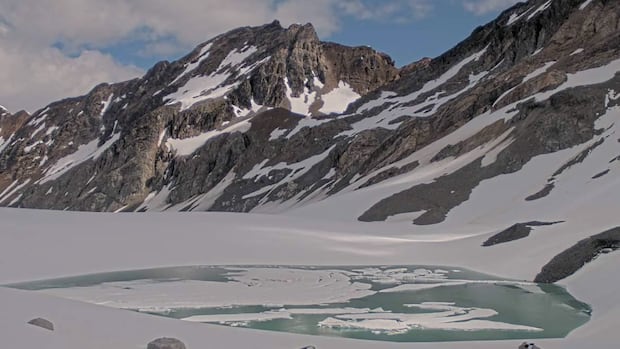
Emergency Officials Issue Mandatory Evacuation as Water Levels Rise
Residents northwest of Pemberton, British Columbia, face mandatory evacuation orders as authorities warn of an imminent glacial lake outburst flood threatening the region. The Squamish-Lillooet Regional District issued the urgent directive after detecting dangerous water accumulation at Place Glacier, located approximately 50 kilometers from the small mountain community.
The evacuation order affects properties along the Lillooet River corridor, where officials fear a sudden release of glacial meltwater could trigger devastating downstream flooding. Emergency management teams continue monitoring the situation around the clock as climate-driven glacier retreat intensifies concerns about similar events across British Columbia’s mountainous terrain.
What Is a Glacial Lake Outburst Flood?
A glacial lake outburst flood (GLOF) occurs when a lake dammed by glacial ice or moraine suddenly releases massive volumes of water. These catastrophic events can send walls of water, debris, and sediment rushing downstream with little warning, destroying infrastructure and endangering lives in their path.
Place Glacier has experienced similar outburst events in previous years, making it a known hazard zone for regional emergency planners. However, experts note that warming temperatures have accelerated glacial melting throughout the Coast Mountains, increasing both the frequency and unpredictability of these dangerous floods.
The physics behind these events makes them particularly dangerous. Water accumulates in depressions on or beneath glaciers, sometimes forming lakes containing millions of cubic meters of water. When the ice dam or moraine barrier fails, the entire lake can drain within hours or even minutes.
Evacuation Details and Affected Areas
The Squamish-Lillooet Regional District activated its emergency response protocols after monitoring equipment detected significant changes at Place Glacier Lake. The evacuation order covers several properties along the Lillooet River, including rural residences, recreational properties, and backcountry areas popular with outdoor enthusiasts.
Authorities urge all affected residents to leave immediately and register at designated reception centers. Emergency officials emphasize that evacuation orders carry legal weight under British Columbia’s Emergency Program Act, and residents must comply for their safety.
“This is not a drill or a precautionary measure,” regional emergency coordinators stated in their official communications. “The threat is real and imminent.”
Residents requiring assistance with evacuation should contact local emergency services immediately. Those with livestock or pets should make arrangements to transport animals to safe locations outside the flood zone.
Place Glacier’s History of Outburst Events
Place Glacier has produced multiple outburst floods over recent decades, establishing a documented pattern that helps emergency managers anticipate potential events. Historical records indicate significant floods occurred in previous years, with each event providing valuable data about the glacier’s behavior and the downstream impacts.
Scientists studying the glacier have observed accelerating ice loss consistent with broader trends across British Columbia’s glacial systems. This glacier retreat creates conditions favorable for lake formation and subsequent outburst events, making long-term monitoring essential for community safety.
The Lillooet River valley downstream of Place Glacier bears the scars of previous floods. Erosion patterns, debris deposits, and altered river channels all testify to the power of past glacial lake outbursts. Infrastructure in the region, including roads and bridges, has required repairs following historical events.
Climate Change Amplifies Glacial Hazards
The evacuation order highlights growing concerns about climate change impacts on glacial hazards throughout western Canada. Rising temperatures have pushed glaciers into rapid retreat, fundamentally altering water systems that communities have relied upon for generations.
British Columbia’s glaciers have lost significant volume over the past century, with the rate of loss accelerating dramatically in recent decades. This retreat creates new glacial lakes while destabilizing existing ice formations, multiplying the potential sources of outburst floods.
Emergency management experts across the province have increased surveillance of known glacial hazards while working to identify previously unmonitored threats. The challenge lies in the sheer number of glaciers dotting British Columbia’s mountains and the limited resources available for comprehensive monitoring.
“We’re seeing changes in our glacial systems that are unprecedented in the historical record,” climate scientists note. “Communities downstream of glaciers need to understand these evolving risks.”
Emergency Preparedness for Mountain Communities
The Pemberton evacuation underscores the importance of emergency preparedness for communities located near glacial hazards. Residents in mountain regions throughout British Columbia should familiarize themselves with local evacuation routes, emergency communication systems, and potential hazards specific to their areas.
Key preparedness steps include:
- Registering for local emergency alert systems
- Maintaining emergency supply kits with essentials for 72 hours
- Knowing multiple evacuation routes from your property
- Keeping important documents in easily accessible, waterproof containers
- Having a communication plan for family members
Local governments continue investing in early warning systems, including water level monitors, satellite imagery analysis, and improved communication infrastructure. These systems provide crucial lead time for evacuations, potentially saving lives when glacial lakes threaten to burst.
What Happens Next for Pemberton Residents
Evacuated residents face uncertainty as they await updates from emergency officials monitoring Place Glacier. The duration of the evacuation order depends entirely on conditions at the glacier, which can change rapidly and unpredictably.
Regional authorities have established reception centers where displaced residents can access information, resources, and support services. Officials urge evacuees to stay informed through official channels and avoid returning to affected areas until the evacuation order is formally lifted.
The situation serves as a stark reminder of the dynamic geological hazards facing mountain communities across British Columbia. As glaciers continue responding to warming temperatures, events like the Place Glacier threat may become more common, requiring ongoing vigilance.
