


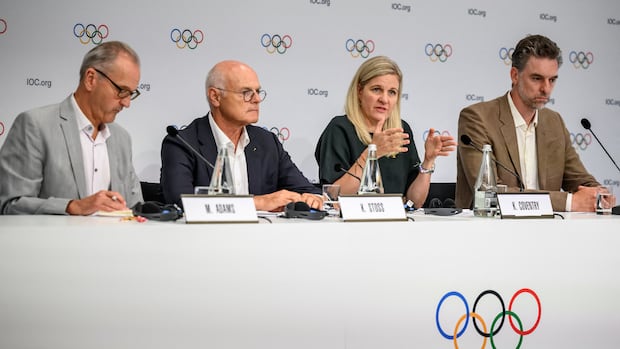
The International Olympic Committee recently announced a groundbreaking $100 million US fund to provide direct cash grants to Olympic medal winners starting at the 2028 Los Angeles Games. This IOC athlete prize money initiative marks the first time in Olympic history that the governing body will pay athletes directly for their performances.
While supporters celebrate this as a watershed moment for athlete compensation, critics argue the plan reveals significant shortcomings that demand attention. The move represents undeniable progress, yet the flaws embedded within this new system raise serious questions about equity, distribution, and the IOC’s broader financial priorities.
The Historic Shift in Olympic Athlete Compensation
For over a century, the IOC maintained that Olympic glory served as its own reward. Athletes received medals, not money, from the organization that generates billions in broadcast rights and sponsorship deals.
That philosophy officially changes with the LA 2028 Olympics. The IOC will distribute prize money directly to gold, silver, and bronze medalists across all sports.
This shift arrives after years of mounting pressure from athlete advocacy groups. Organizations like Global Athlete and various national athlete associations have long demanded greater financial transparency and direct compensation from Olympic revenues.
The timing aligns with broader conversations about athlete rights, name-image-likeness compensation, and fair revenue sharing across professional sports.
Breaking Down the $100 Million Fund
The IOC’s prize money pool sounds substantial, but context matters enormously.
The 2028 Los Angeles Olympics will feature approximately 10,500 athletes competing across 32 sports. Medal events will produce roughly 329 gold medals, meaning around 1,000 total medals awarded when counting team events.
Individual gold medalists will reportedly receive $50,000 US. Silver medalists earn less, and bronze medalists receive smaller amounts still.
Compare this to the IOC’s total revenue. The organization generated approximately $7.6 billion during the 2017-2021 Olympic cycle. The $100 million fund represents roughly 1.3% of that figure spread across four years.
Critics point out this percentage pales compared to revenue-sharing models in major professional leagues. The NBA, NFL, and major European soccer leagues distribute 50% or more of revenues to players.
The Equity Problem: Who Benefits Most?
Perhaps the most glaring flaw involves distribution inequities across different sports and athlete categories.
High-profile sports like swimming, track and field, and gymnastics already provide athletes with significant earning potential through sponsorships, appearance fees, and national federation bonuses. Stars like Simone Biles or Noah Lyles command million-dollar endorsement deals.
Meanwhile, athletes in sports like modern pentathlon, shooting, or handball often struggle financially despite achieving Olympic excellence. A gold medal in these disciplines rarely translates to lucrative sponsorship opportunities.
The flat prize money structure means a swimming gold medalist—who likely already earns substantial income—receives the same amount as a weightlifting champion who may work a second job to fund their training.
National Federation Disparities
The IOC plan also fails to address vast differences in national federation support.
American, Chinese, and European athletes typically receive government funding, training facilities, and living stipends. Athletes from developing nations often pay their own way to competitions while balancing full-time employment.
A $50,000 prize represents life-changing money for some athletes. For others, it barely covers a year of training expenses that their federation already funds.
What About Non-Medalists?
The prize money structure completely excludes the thousands of Olympians who finish fourth through last in their events.
Fourth-place finishers—athletes who miss the podium by hundredths of seconds or fractions of points—receive nothing from this fund. Neither do the majority of competitors who dedicate years of their lives to Olympic qualification.
Athlete advocates argue that any revenue-sharing model should recognize all Olympic participants, not just medal winners. These athletes contribute equally to the spectacle that generates billions in broadcast revenue.
The IOC counters that the prize fund specifically rewards competitive excellence. However, this philosophy contradicts the organization’s stated commitment to athlete welfare and participation-focused values.
The Governance Question
Another significant concern involves transparency and governance surrounding the fund.
The IOC has not clearly explained how it calculated the $100 million figure or why it chose this particular distribution model. Athletes had limited input in designing the program.
Global Athlete and other advocacy organizations have called for athlete representatives to hold meaningful voting power on IOC financial decisions. Currently, athletes serve in advisory capacities without binding authority over budget allocations.
This lack of athlete agency in decisions directly affecting their compensation echoes broader criticisms about IOC governance structures.
Progress Worth Acknowledging
Despite valid criticisms, dismissing this initiative entirely would miss important context.
The IOC’s willingness to pay athletes directly represents a philosophical shift that seemed impossible a decade ago. The organization acknowledged that athletes deserve direct financial benefit from the value they create.
This precedent opens doors for future expansion. Once direct payments exist, advocating for larger amounts and broader distribution becomes significantly easier than arguing for an entirely new system.
Other sports organizations have followed similar trajectories. Initial revenue-sharing agreements often start modest before growing through subsequent negotiations.
Looking Ahead to LA 2028
The 2028 Los Angeles Olympics will serve as the testing ground for this new compensation model.
Athletes, advocacy groups, and observers will closely monitor implementation, distribution timing, and any tax implications across different countries. Success could accelerate expansion for Brisbane 2032 and beyond.
Failure or controversy might set back athlete compensation efforts significantly.
The IOC has an opportunity to demonstrate genuine commitment to athlete welfare. Expanding the fund, including more athletes, and increasing transparency would signal that this initiative represents a starting point rather than a ceiling.
Conclusion
The IOC’s $100 million athlete prize money fund undeniably represents progress for Olympic compensation. However, the initiative’s limitations regarding equity, governance, and scope highlight the distance still to travel before athletes receive fair compensation for the value they generate.
