


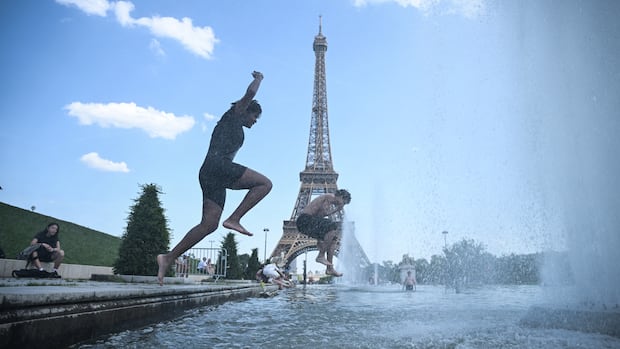
The Paris Diamond League heat wave crisis has escalated dramatically as French police authorities move to cancel one of track and field’s premier events. With temperatures soaring beyond 40°C (104°F), law enforcement officials argue that emergency services cannot adequately protect both athletes and spectators during the scheduled competition at Stade Charléty.
This unprecedented situation highlights the growing tension between major sporting events and extreme weather conditions. The Diamond League meet, originally scheduled for early July, now hangs in the balance as organizers scramble to find solutions while France endures one of its most punishing heat waves on record.
Police Cite Emergency Resource Strain
Public Safety Concerns Take Center Stage
Paris police prefecture officials have formally requested the cancellation of the Diamond League athletics meeting, citing severe strain on emergency services throughout the capital region. According to authorities, the combination of heat-related emergencies across the city and the resource demands of a major sporting event creates an untenable public safety situation.
The extreme temperatures have already pushed hospitals and emergency responders to their limits. Police spokesperson communications indicate that deploying adequate security personnel to the stadium would leave other critical areas of Paris dangerously understaffed.
Medical teams across the Île-de-France region report treating thousands of heat-related cases daily. Diverting ambulances and paramedics to cover a sporting event with approximately 15,000 spectators would compromise citywide emergency response capabilities.
Historic Heat Wave Grips France
Record-Breaking Temperatures Persist
France’s current heat wave ranks among the most severe in the nation’s recorded history. Météo-France has maintained its highest-level heat alert for Paris and surrounding departments for over a week, warning residents to limit outdoor activities and stay hydrated.
The prolonged nature of this extreme weather event distinguishes it from previous heat episodes. Unlike typical summer heat spikes lasting two or three days, current forecasts suggest dangerous temperatures will persist for at least another week.
Daytime highs have consistently exceeded 40°C in central Paris, while nighttime temperatures refuse to drop below 25°C (77°F). This lack of overnight cooling prevents the human body from recovering and increases cumulative heat stress risks.
Diamond League Organizers Seek Alternatives
Evening Start Times and Enhanced Cooling Measures Proposed
World Athletics and local organizing committees have proposed several modifications to allow the event to proceed safely. These include pushing the competition start time to late evening, installing additional cooling stations throughout the venue, and reducing spectator capacity.
Event organizers emphasize that the Paris Diamond League serves as a crucial qualification opportunity for athletes preparing for upcoming world championships. Cancellation would disrupt training and competition schedules for hundreds of elite competitors from around the globe.
The proposed evening schedule would begin events at 9:00 PM local time, when temperatures typically drop to more manageable levels. However, police officials note that even modified timings do not address the fundamental resource allocation problems.
Enhanced medical staffing at the venue represents another proposed solution. Organizers have offered to arrange private medical teams and ambulance services to reduce reliance on public emergency infrastructure.
Athletes Face Difficult Decisions
Competitor Health Versus Career Opportunities
Elite track and field athletes find themselves caught between health concerns and professional obligations. The Diamond League circuit offers significant prize money and world ranking points that directly impact future competition opportunities and sponsorship deals.
Several prominent athletes have already withdrawn from the Paris meet, citing health concerns. Others have publicly supported the police position, arguing that no competition justifies risking lives of athletes, staff, or spectators.
Heat-related illness poses particular dangers for endurance event competitors. Distance runners and race walkers face elevated risks of heat stroke, a potentially fatal condition that can develop rapidly during intense physical exertion in extreme temperatures.
Sprint and field event athletes, while competing for shorter durations, still face significant heat exposure during warm-ups and competition preparation. Recovery between rounds becomes compromised when cooling options prove inadequate.
Broader Implications for International Sports
Climate Adaptation Becomes Essential
The Paris situation reflects a growing challenge facing international athletics and outdoor sports globally. As climate change drives more frequent and intense heat waves, traditional summer competition schedules may require fundamental restructuring.
Major events including the Olympic Games, World Championships, and Diamond League circuits have all faced heat-related controversies in recent years. The 2019 World Championships in Doha and the 2021 Tokyo Olympics both implemented significant schedule modifications due to extreme conditions.
Sports governing bodies increasingly recognize that extreme weather protocols must evolve beyond simple postponement options. Long-term solutions may include permanent schedule shifts to cooler months, venue location requirements based on climate data, and enhanced minimum safety standards.
Insurance and liability considerations also factor into these decisions. Event organizers face potential legal exposure if athletes or spectators suffer heat-related injuries during competitions held against official safety recommendations.
What Happens Next
Resolution Expected Within Days
French sports ministry officials have entered negotiations between police authorities and event organizers, seeking a compromise that addresses public safety while preserving the competition. A final decision is expected within 48 to 72 hours.
Potential outcomes range from full cancellation to a significantly modified event with reduced attendance and altered scheduling. Some officials have floated the possibility of relocating the meet to another French city experiencing less severe temperatures, though logistical challenges make this option difficult.
The Diamond League season must continue regardless of the Paris decision. Remaining circuit stops in other European cities will absorb displaced athletes seeking competition opportunities, potentially creating overcrowded fields and extended event durations.
The Paris Diamond League heat wave standoff represents a critical moment for international athletics and outdoor sports management. As extreme weather events become more common, the sports world must develop robust frameworks balancing competitive opportunities with participant safety. This situation will likely establish precedents affecting how future events navigate similar challenges.
