


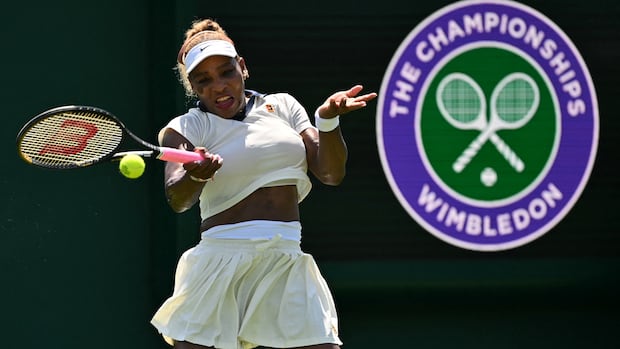
Tennis Legend Returns to All England Club After Four-Year Absence
Serena Williams will face 20-year-old Australian Maya Joint in the first round of Wimbledon 2026, marking her highly anticipated return to singles competition at the All England Club after a four-year hiatus. The draw, announced Thursday, has sent shockwaves through the tennis world as the 23-time Grand Slam champion prepares to compete on the grass courts where she has claimed seven titles.
The Serena Williams Wimbledon 2026 comeback represents one of the most significant storylines in recent tennis history. Fans and analysts alike have eagerly awaited this moment since Williams stepped away from competitive singles play following the 2022 US Open.
Maya Joint: The Young Australian Standing in Williams’ Path
Maya Joint, currently ranked inside the top 50, represents the new generation of tennis talent that has emerged during Williams’ absence from the tour. The Australian player has shown remarkable improvement over the past two seasons, collecting titles on various surfaces and demonstrating the kind of aggressive baseline game that has troubled veteran players.
Joint turned professional in 2024 and quickly established herself as a rising force in women’s tennis. Her powerful groundstrokes and athletic court coverage have drawn comparisons to Williams herself, creating an intriguing narrative for their first-round encounter.
“This is the match every young player dreams about,” Joint said following the draw ceremony. “Serena is the greatest of all time. I grew up watching her win Grand Slams.”
Williams’ Journey Back to Centre Court
The road back to Wimbledon has been anything but straightforward for the 44-year-old Williams. After announcing her “evolution” away from tennis in August 2022, speculation about a potential return never fully subsided. Williams maintained her fitness and occasionally hinted at the possibility of competing again at the highest level.
Her decision to enter Wimbledon 2026 came after months of intensive training at her Florida facility. Reports indicate Williams has been working with a revamped coaching team focused on adapting her game to the physical demands of competing against players half her age.
The seven-time Wimbledon singles champion last competed in the tournament in 2022, where a first-round loss to Harmony Tan ended her campaign. That defeat came after a year-long absence from competitive play due to injury.
Historical Context: Williams’ Wimbledon Legacy
Williams’ relationship with Wimbledon spans more than two decades of excellence. Her seven singles titles at the All England Club tie her with Steffi Graf for the most in the Open Era. Her first triumph came in 2002, and her most recent championship in 2016.
Beyond the numbers, Williams has delivered some of tennis’s most memorable moments on Centre Court. Her matches against sister Venus Williams, her dramatic victories over Maria Sharapova, and her dominance during the 2015-2016 seasons have cemented her status as a Wimbledon legend.
The Championships hold particular significance in Williams’ career narrative. Wimbledon represents where she announced herself as a future champion as a teenager and where she has repeatedly defied expectations throughout her career.
The Challenges of a Comeback at 44
Sports scientists and tennis analysts have expressed both excitement and caution regarding Williams’ return. Competing at the highest level of professional tennis at 44 presents unprecedented physical and mental challenges.
Key factors working against Williams include:
- The explosive movement required on grass courts
- Recovery time between potential matches
- The depth of the current women’s field
- Four years without competitive singles match play
However, Williams possesses advantages that statistics cannot capture. Her championship experience, mental fortitude under pressure, and incomparable serve remain potent weapons. The grass court surface, which rewards her aggressive style, could prove beneficial.
“Serena has defied logic her entire career,” noted former coach Patrick Mouratoglou in a recent interview. “Counting her out would be foolish.”
Tournament Draw Analysis and Potential Path
Beyond the first-round matchup with Joint, Williams’ draw section presents manageable challenges in the early rounds. Should she advance past the Australian youngster, potential second-round opponents include lower-ranked players who lack significant grass court experience.
The draw placed Williams in the opposite half from current world number one and top seed, meaning a potential meeting would only occur in the final. This bracketing provides the American with opportunities to build match fitness before facing the tour’s elite players.
Tournament officials have confirmed Williams will compete on Centre Court for her opening match, a scheduling decision that acknowledges both her legendary status and the enormous public interest in her return.
Fan and Media Reaction to the Draw
Social media platforms erupted following the draw announcement, with “Serena Williams” trending globally within minutes. Tennis fans expressed overwhelming support for the comeback attempt, while also acknowledging the magnitude of the challenge facing Williams.
Former players have offered their perspectives on the historic return. Billie Jean King called it “inspiring,” while Chris Evert described the news as “exactly what tennis needs right now.”
Ticket demand for Williams’ scheduled matches has already reached unprecedented levels, with organizers reporting record interest in first-week sessions.
What This Means for Women’s Tennis
Williams’ return transcends individual accomplishment. Her presence at Wimbledon 2026 elevates the entire tournament and brings attention to women’s tennis at a critical moment for the sport. The storylines her participation generates—legend versus rising star, experience versus youth—capture casual fans who might otherwise overlook the Championships.
The WTA Tour has struggled to establish dominant figures since Williams’ departure from regular competition. Her comeback, regardless of results, reminds audiences of tennis’s capacity for compelling narratives and legendary performances.
