


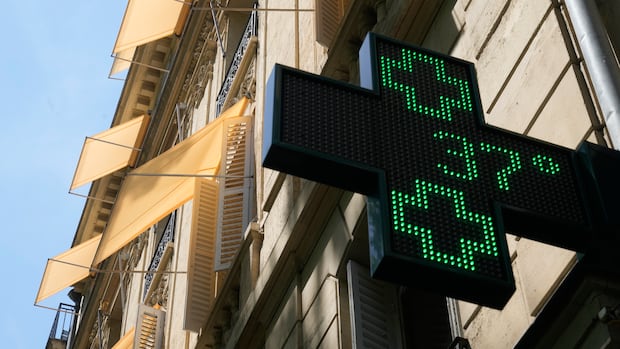
The deadly grip of extreme heat has claimed at least three lives in France as Europe heat wave deaths continue to mount across the continent. Scorching temperatures exceeding 40°C (104°F) have forced millions of Europeans to seek shelter, with emergency services on high alert throughout multiple countries.
This latest heat wave represents one of the most severe early-summer temperature events in recent memory. Health authorities across the continent are urging vulnerable populations to take immediate precautions as forecasters warn the dangerous conditions may persist for several more days.
France Reports First Fatalities of the Heat Emergency
French authorities confirmed three deaths directly linked to the ongoing extreme heat event. The victims succumbed to heat-related conditions as temperatures soared well above seasonal averages across much of the country.
Emergency medical services in France have reported a significant increase in calls related to heat exhaustion, dehydration, and heat stroke. Hospitals in affected regions have activated emergency protocols to handle the surge in patients.
The French government has issued its highest heat warning level for several departments, including areas surrounding Paris and the southern regions. Officials have opened cooling centers and extended public pool hours to provide relief for residents without air conditioning.
Widespread Temperature Records Shattered Across Europe
The current heat wave has broken temperature records in multiple European nations. Spain, Portugal, Italy, and Germany have all reported temperatures significantly above normal for late June.
Several Spanish cities recorded temperatures approaching 45°C (113°F), prompting authorities to issue extreme risk warnings. The Iberian Peninsula has experienced particularly intense conditions, with some areas facing their hottest June days ever documented.
Italy’s health ministry placed more than a dozen cities under its highest heat alert level. Rome, Florence, and Milan all experienced temperatures exceeding 38°C (100°F), straining infrastructure and testing public health systems.
Health Officials Issue Urgent Warnings
Public health experts across Europe have emphasized the serious dangers posed by prolonged extreme heat exposure. The World Health Organization’s European office has released guidelines urging governments to protect their most vulnerable citizens.
Key at-risk groups include:
- Elderly individuals over 65 years of age
- Young children and infants
- People with chronic health conditions
- Outdoor workers and those without access to cooling
- Individuals experiencing homelessness
Health authorities recommend staying indoors during peak heat hours, typically between 11 a.m. and 6 p.m. Drinking plenty of water, avoiding alcohol and caffeine, and wearing lightweight clothing can significantly reduce heat-related health risks.
Climate Change Amplifies European Heat Events
Scientists have linked the increasing frequency and intensity of European heat waves to climate change. Research indicates that heat events that once occurred rarely now happen multiple times per decade.
The European continent has warmed faster than the global average over the past several decades. This accelerated warming has made extreme summer temperatures increasingly common and more dangerous.
Climate models suggest these events will continue to worsen without significant reductions in greenhouse gas emissions.
Infrastructure Struggles Under Extreme Conditions
The heat wave has stressed critical infrastructure across affected regions. Power grids in several countries have experienced heightened demand as millions of Europeans rely on air conditioning and fans to cope with the temperatures.
Transportation systems have also faced challenges. Train services in France and Germany reported delays and cancellations due to concerns about rail buckling under extreme heat. Airlines have adjusted flight schedules to account for reduced aircraft performance in hot conditions.
Agricultural sectors across southern Europe face significant concerns about crop damage and water availability. Drought conditions in several regions have compounded the challenges posed by the heat wave, threatening harvests and livestock.
Government Response and Emergency Measures
European governments have implemented various emergency measures to protect citizens. France has activated its national heat action plan, which includes mandatory workplace protections for outdoor workers and enhanced monitoring of vulnerable populations.
Spain has deployed additional emergency personnel and opened thousands of cooling shelters. Portuguese authorities have banned certain outdoor activities during peak heat hours and issued fire risk warnings due to the dry conditions.
The European Commission has coordinated cross-border emergency response efforts, ensuring that resources can flow between member states as needed. This cooperation reflects lessons learned from previous deadly heat waves, including the catastrophic 2003 event that killed tens of thousands across the continent.
What to Expect in Coming Days
Meteorologists predict the extreme heat will gradually ease in western Europe by the end of the week, though above-average temperatures may persist. However, the heat dome is expected to shift eastward, potentially affecting central and eastern European nations.
Forecasters urge continued vigilance even as temperatures begin to moderate. The cumulative effects of prolonged heat exposure can continue to impact health even after peak temperatures pass.
Residents throughout Europe should continue monitoring official weather warnings and following public health guidance. Checking on elderly neighbors, ensuring adequate hydration, and recognizing the signs of heat-related illness remain critical safety priorities.
The ongoing Europe heat wave deaths highlight the growing threat that extreme temperatures pose to public health across the continent. As climate change continues to intensify summer heat events, governments and individuals must adapt to protect lives. Staying informed, following official guidance, and looking out for vulnerable community members can help prevent further tragedies during this dangerous weather pattern.
