


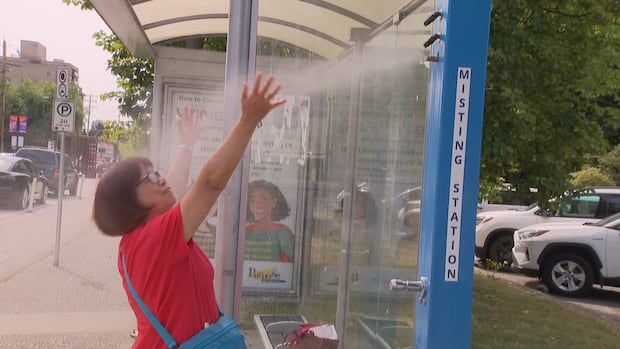
Five years after the devastating 2021 B.C. heat dome claimed dozens of lives in New Westminster, the city has fundamentally transformed its approach to extreme heat preparedness. The deadly weather event, which killed nearly 600 people across British Columbia, left an indelible mark on this Metro Vancouver community and sparked a complete overhaul of municipal cooling strategies.
Today, B.C. heat dome cooling initiatives stand at the forefront of New Westminster’s climate adaptation planning. As summer temperatures continue to break records across the Pacific Northwest, city officials and community organizations are determined to prevent another tragedy of this magnitude.
The 2021 Heat Dome: A Wake-Up Call for New Westminster
The June 2021 heat dome remains one of Canada’s deadliest natural disasters. Temperatures in British Columbia soared to unprecedented levels, with Lytton recording a national record of 49.6°C before the town was destroyed by wildfire.
New Westminster experienced devastating losses during those catastrophic days. The city’s population skews older, with many residents living in apartment buildings without air conditioning. Seniors and vulnerable populations bore the brunt of the extreme heat emergency.
Coroners’ reports later revealed that most victims died alone in overheated homes. Many lacked access to cooling resources or were unaware of available emergency services. The tragedy exposed critical gaps in municipal heat response protocols across the province.
How New Westminster Rebuilt Its Heat Response Strategy
Expanded Cooling Centre Network
In the years following the disaster, New Westminster dramatically expanded its network of cooling centres throughout the city. These air-conditioned public spaces now operate during heat warnings, providing refuge for residents without home cooling systems.
Libraries, community centres, and recreation facilities serve as designated cooling locations. The city extended operating hours during extreme heat events and improved accessibility for seniors and people with mobility challenges.
Officials also partnered with local businesses to create additional informal cooling spaces. Shopping centres, movie theatres, and other private establishments now participate in the city’s heat response network.
Proactive Outreach Programs
Perhaps the most significant change involves direct community outreach. New Westminster implemented wellness check programs targeting isolated seniors and vulnerable residents during heat emergencies.
City staff and volunteers now conduct door-to-door visits in high-risk buildings when temperatures climb. These checks ensure residents receive information about cooling resources and identify individuals requiring immediate assistance.
Community organizations play a crucial role in these efforts. Local nonprofits help identify at-risk residents and distribute cooling supplies, including portable fans and hydration kits.
Infrastructure Investments Address Long-Term Cooling Needs
Urban Heat Island Mitigation
New Westminster joined other Metro Vancouver municipalities in addressing urban heat island effects. Dense urban areas with extensive pavement and limited green space experience significantly higher temperatures than surrounding regions.
The city invested in tree planting initiatives, particularly in neighbourhoods identified as heat vulnerability hotspots. Increased urban canopy coverage provides natural shade and cooling through evapotranspiration.
Cool pavement pilot projects and green roof incentives further contribute to temperature reduction goals. These infrastructure improvements represent long-term commitments to climate adaptation.
Building Code and Retrofit Considerations
Discussions continue around building standards and cooling requirements. Many older apartment buildings in New Westminster lack adequate ventilation or air conditioning systems.
While provincial building codes fall outside municipal jurisdiction, the city advocates for stronger heat resilience standards. Local incentive programs encourage landlords to improve cooling infrastructure in rental properties.
Community Resilience: Lessons Learned from Tragedy
Neighbourhood Support Networks
The 2021 heat dome catalyzed grassroots community organizing throughout New Westminster. Residents established informal neighbourhood support networks to check on vulnerable neighbours during extreme weather events.
These community connections prove essential during emergencies when official resources face overwhelming demand. Block captains and building representatives help disseminate information and coordinate local response efforts.
Social isolation emerged as a critical risk factor during the heat dome. Building stronger community bonds directly addresses this vulnerability and improves overall neighbourhood resilience.
Public Education Campaigns
Year-round public education now emphasizes heat safety awareness. The city launches information campaigns each spring, reminding residents about cooling resources and warning signs of heat-related illness.
Multilingual materials ensure information reaches New Westminster’s diverse population. Targeted outreach addresses specific concerns of seniors, outdoor workers, and families with young children.
Looking Ahead: Climate Adaptation in a Warming World
Meteorologists warn that extreme heat events will become more frequent and intense as climate change accelerates. The 2021 heat dome, once considered a once-in-a-generation event, may represent the new normal for British Columbia summers.
New Westminster’s transformation demonstrates how communities can learn from tragedy and build meaningful resilience. However, officials acknowledge that preparation requires ongoing investment and adaptation.
Municipal budgets now include dedicated funding for extreme heat response. Emergency management plans undergo regular review and updating based on emerging research and community feedback.
Regional Collaboration Strengthens Heat Response
New Westminster coordinates closely with Metro Vancouver, neighbouring municipalities, and provincial health authorities. Regional collaboration ensures consistent messaging and resource sharing during widespread heat emergencies.
The BC Heat Alert and Response System provides standardized warning criteria across the province. This coordinated approach helps communities prepare simultaneously when dangerous conditions approach.
Healthcare systems also improved heat emergency protocols following 2021. Hospitals and paramedic services developed surge capacity plans specifically addressing heat-related medical emergencies.
Five years after the B.C. heat dome tragedy, New Westminster stands better prepared for extreme heat emergencies. Expanded cooling centres, proactive outreach programs, and infrastructure investments demonstrate the community’s commitment to protecting vulnerable residents. While no system can guarantee complete safety during unprecedented weather events, these comprehensive efforts significantly reduce risk. Residents should familiarize themselves with local cooling resources and check on neighbours during heat warnings—community connection remains the strongest defense against climate emergencies.
