


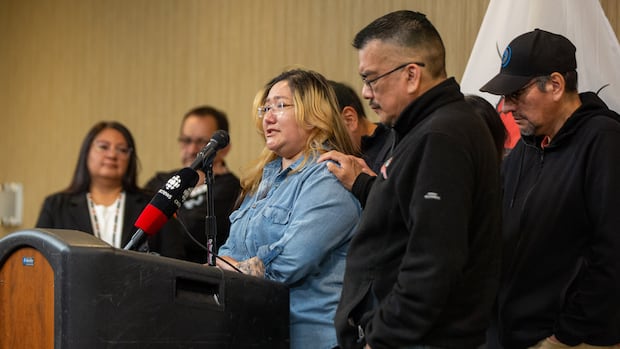
Members from multiple First Nations communities have mobilized in Thunder Bay, Ontario, joining an urgent search effort for a missing man whose disappearance has prompted widespread concern across the region. The collaborative response highlights the strength of Indigenous community networks and the critical importance of rapid action in missing persons cases.
Kelsey Anderson, the subject of the intensive search, was last seen in the Thunder Bay area, prompting family members and community volunteers to launch coordinated ground searches throughout the city and surrounding areas.
First Nations Communities Rally Together
The search for Anderson has brought together members from several First Nations, demonstrating the deep bonds that unite Indigenous communities in times of crisis. Volunteers have traveled significant distances to participate in the search efforts, with organized groups systematically canvassing areas where Anderson may have been.
This collective response reflects a long-standing tradition of mutual support among First Nations peoples. When a community member goes missing, the call for assistance resonates far beyond immediate family circles, mobilizing networks that span multiple nations and territories.
Search coordinators have established a base of operations in Thunder Bay, where volunteers receive assignments and updates. The organized approach ensures that search teams cover ground efficiently while maintaining communication with local authorities.
Search Operations and Coordination Efforts
Ground search teams have been methodically working through various locations in Thunder Bay, including urban areas, parks, and waterfront regions. The city’s geography, situated along the shores of Lake Superior, presents both challenges and specific areas of focus for search volunteers.
Coordinators have implemented a systematic approach to the search:
- Grid searches of designated areas
- Door-to-door inquiries in neighborhoods
- Distribution of missing person flyers
- Social media campaigns to spread awareness
The organized nature of these efforts reflects lessons learned from previous missing persons cases in the region.
Local businesses and residents have also contributed to the search by remaining vigilant and reporting any potential sightings to authorities or search organizers.
Thunder Bay’s History with Missing Persons Cases
Thunder Bay has unfortunately seen numerous high-profile missing persons cases over the years, particularly involving Indigenous individuals. This history has galvanized community members to respond swiftly and decisively when someone disappears.
The city’s Indigenous population faces disproportionate risks, a reality that has been documented in multiple reports and inquiries.
Community organizations in Thunder Bay have developed expertise in search coordination, drawing on both traditional knowledge and modern search techniques. This combination of approaches has proven valuable in previous cases and continues to inform current efforts.
The involvement of multiple First Nations in Anderson’s search underscores the interconnected nature of Indigenous communities in Northwestern Ontario. Family ties, historical relationships, and shared cultural values all contribute to the rapid mobilization seen in this case.
The Role of Community in Missing Persons Searches
When someone goes missing in Thunder Bay or surrounding areas, community involvement often proves crucial to search outcomes. Professional search and rescue resources, while valuable, cannot match the sheer number of volunteers that community networks can mobilize.
Family members of missing individuals frequently emphasize the importance of keeping searches active and maintaining public awareness. Media coverage and social media sharing help ensure that information about the missing person reaches the widest possible audience.
Volunteers participating in searches for missing persons often describe the experience as both emotionally challenging and deeply meaningful. The act of searching represents a tangible expression of care and solidarity that provides comfort to affected families regardless of the outcome.
Resources and Support for Families
Families of missing persons in Ontario have access to various support resources, including victim services organizations and Indigenous-specific support networks. These organizations provide emotional support, practical assistance, and advocacy services.
The Ontario Provincial Police maintain a dedicated missing persons unit that works alongside community search efforts. Collaboration between official investigators and community volunteers often yields the best results in locating missing individuals.
Anyone with information about Kelsey Anderson’s whereabouts should contact local police immediately. Even seemingly insignificant details can prove valuable to investigators working to piece together a missing person’s movements.
Social media users can assist by sharing official missing persons posts, which helps extend the reach of search efforts beyond immediate geographic areas. However, searchers caution against spreading unverified information that could complicate official investigations.
Moving Forward: Continued Vigilance
As the search for Anderson continues, organizers emphasize the importance of sustained effort and community awareness. Missing persons cases can resolve quickly or extend over longer periods, requiring patience and persistence from all involved.
The outpouring of support from multiple First Nations communities serves as a powerful reminder of the bonds that connect Indigenous peoples across traditional territorial boundaries. In times of crisis, these connections provide both practical assistance and emotional strength to affected families.
Community members unable to participate directly in ground searches can still contribute by remaining alert, sharing information through their networks, and supporting search volunteers with supplies and encouragement.
Anyone with information about this missing man in Thunder Bay should contact Thunder Bay Police immediately or reach out to search organizers through official channels.
