


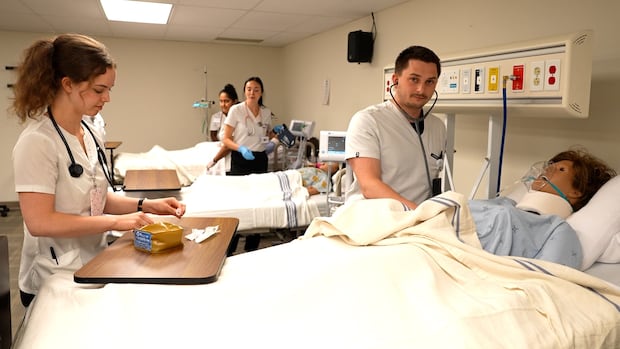
A new rural nursing program in Manitoba aims to tackle the persistent healthcare worker shortage affecting communities outside major urban centers. Assiniboine Community College has launched a practical nursing training initiative in Steinbach, marking a significant step toward building a sustainable healthcare workforce in southeastern Manitoba.
The program represents a collaborative effort between educational institutions, healthcare providers, and local government to address what many describe as a critical gap in rural healthcare services. With the first cohort of students already underway, stakeholders hope this initiative will create a pipeline of qualified nurses committed to serving rural communities.
Addressing the Rural Healthcare Crisis
Why Rural Communities Struggle to Attract Nurses
Rural and remote areas across Canada face unique challenges in recruiting and retaining healthcare professionals. Geographic isolation, limited professional development opportunities, and demanding workloads often discourage nurses from pursuing careers outside metropolitan areas.
Manitoba’s southeastern region has experienced these difficulties firsthand. Local healthcare facilities have operated with staffing shortages for years, forcing administrators to rely heavily on temporary workers and overtime shifts from existing staff.
The consequences extend beyond hospital walls. Residents in communities like Steinbach often face longer wait times, reduced access to specialized care, and increased pressure on emergency services.
The Grow-Your-Own Approach
Healthcare experts increasingly advocate for grow-your-own strategies that train local residents to become healthcare providers. This approach recognizes that individuals with existing ties to rural communities are more likely to remain there after completing their education.
Assiniboine Community College’s Steinbach program embodies this philosophy. By offering nursing education directly in the community, the college removes significant barriers that previously prevented local residents from pursuing healthcare careers.
Students no longer need to relocate to Brandon or Winnipeg for their training. They can maintain family connections, continue working part-time, and build professional relationships with local healthcare facilities throughout their education.
Program Details and Structure
Curriculum and Training Components
The practical nursing program combines classroom instruction with hands-on clinical experience at regional healthcare facilities. Students complete coursework covering anatomy, pharmacology, patient care techniques, and professional ethics.
Clinical placements occur at Southern Health-Santé Sud facilities, giving students direct exposure to the healthcare environments where many will eventually work. This integration between education and practice creates seamless transitions from student to employee.
The program spans approximately two years, preparing graduates to write the Canadian Practical Nurse Registration Examination. Upon successful completion, graduates qualify to work as Licensed Practical Nurses (LPNs) in various healthcare settings.
Partnerships Driving Success
The initiative reflects extensive collaboration between multiple organizations. Assiniboine Community College brings educational expertise and program accreditation. Southern Health-Santé Sud provides clinical training sites and potential employment pathways.
Local government and economic development agencies have also contributed support, recognizing healthcare workforce development as essential infrastructure for community growth. The City of Steinbach has championed the program as part of broader efforts to enhance local services and attract new residents.
Impact on Steinbach and Surrounding Communities
Meeting Immediate Staffing Needs
Healthcare administrators in southeastern Manitoba express cautious optimism about the program’s potential impact. While a single training cohort cannot solve systemic staffing challenges overnight, it represents meaningful progress toward long-term solutions.
Bethesda Regional Health Centre and other local facilities stand to benefit directly from graduates entering the workforce. Administrators hope to reduce reliance on agency nurses and temporary staff, which often proves costly and disruptive to patient care continuity.
The presence of locally trained nurses may also improve patient outcomes. Research suggests that healthcare providers familiar with their communities deliver more culturally competent care and maintain stronger patient relationships.
Economic Benefits Beyond Healthcare
Nursing programs generate economic ripple effects beyond healthcare delivery. Students spend money locally during their education, supporting businesses in the community. Graduates who secure local employment contribute to long-term economic stability.
The program also enhances Steinbach’s appeal to families considering relocation. Access to quality healthcare ranks among the top factors influencing where people choose to live, particularly for those with young children or aging parents.
Challenges and Future Considerations
Sustaining Momentum
Launching the program represents only the first step. Ensuring consistent enrollment, maintaining educational quality, and securing ongoing funding present continuing challenges.
Program administrators must also track graduate retention rates to measure whether locally trained nurses actually remain in rural communities. Without this data, stakeholders cannot fully assess the initiative’s effectiveness.
Healthcare leaders emphasize that practical nursing programs address only part of the workforce equation. Communities also need registered nurses, nurse practitioners, and physicians to deliver comprehensive care. Additional educational initiatives may prove necessary to fill these gaps.
Expanding the Model
Success in Steinbach could inspire similar programs in other underserved Manitoba communities. Towns facing comparable healthcare workforce challenges watch this initiative closely as a potential template for their own solutions.
Provincial health authorities have expressed interest in supporting additional grow-your-own programs if the Steinbach model demonstrates positive results. Such expansion would require significant investment but could transform rural healthcare delivery across Manitoba.
The rural nursing program in Manitoba represents a promising approach to addressing persistent healthcare staffing challenges in communities outside major cities. By training local residents and providing clinical experience at regional facilities, Assiniboine Community College creates pathways for sustainable workforce development. While challenges remain, this initiative offers hope for improved healthcare access in Steinbach and potentially serves as a model for other rural communities facing similar shortages.
