


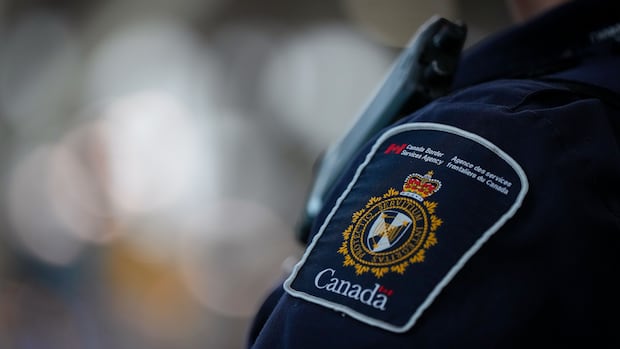
A major CBSA system outage disrupted international flights bound for Canada on Friday, leaving passengers stranded at departure gates across multiple countries. The Canada Border Services Agency confirmed the technical failure affected its advance passenger information systems, preventing airlines from completing mandatory pre-boarding security checks.
The outage caused significant delays for travelers attempting to fly into Canada from destinations worldwide. Airlines could not transmit required passenger data to Canadian authorities, forcing them to halt boarding procedures until systems came back online.
What Caused the CBSA Technical Failure?
The Canada Border Services Agency experienced what officials described as a significant technical disruption to its Advance Passenger Information/Passenger Name Record (API/PNR) system. This critical infrastructure allows airlines to submit traveler details to Canadian authorities before departure.
Under Canadian aviation security regulations, airlines must receive clearance through this system before passengers can board flights destined for Canada. When the system failed, carriers had no way to complete this mandatory step.
CBSA confirmed the outage in a statement but provided limited details about the root cause. The agency indicated it was working to restore full functionality as quickly as possible.
Technical experts noted that such centralized systems represent potential single points of failure in modern aviation security infrastructure. The incident highlights the aviation industry’s heavy dependence on digital verification systems.
Which Airlines and Routes Were Affected?
The international flight delays impacted carriers operating routes to Canada from multiple continents. Reports emerged of boarding disruptions at airports in Europe, Asia, and the United States.
Passengers took to social media to document lengthy waits at departure gates. Many described confusion as airline staff struggled to explain the situation while awaiting guidance from Canadian authorities.
Airlines affected by the outage included:
- Major North American carriers operating transborder routes
- European airlines with scheduled arrivals at Canadian airports
- Asian carriers serving Vancouver and Toronto
The ripple effects extended beyond initial delays. Some flights faced extended departure postponements, while others experienced cascading schedule disruptions throughout the day.
How Long Did the Outage Last?
CBSA worked to restore systems throughout Friday, though the agency did not immediately provide a precise timeline for the disruption. Passengers reported delays ranging from one to several hours depending on their departure location and flight timing.
The agency eventually confirmed that systems had returned to normal operations. However, the backlog created by the outage continued affecting some flights even after the technical issues were resolved.
Airlines scrambled to accommodate affected passengers and adjust schedules. Some carriers offered rebooking options for travelers who missed connections due to the delays.
Impact on Canadian Border Security Operations
The outage raised questions about contingency protocols for Canadian border security systems. Aviation security experts noted that such disruptions, while rare, expose vulnerabilities in digital infrastructure.
The API/PNR system serves as a critical security layer, allowing CBSA officers to screen passengers before they arrive on Canadian soil. This advance screening helps identify potential security concerns and facilitates the border clearance process.
When these systems fail, airlines face a difficult choice between delaying flights or potentially violating Canadian aviation security requirements. Friday’s incident demonstrated that carriers consistently chose compliance over convenience, prioritizing security protocols despite passenger frustration.
CBSA maintains multiple security systems, and the agency emphasized that other border operations continued functioning during the outage. Land border crossings and airport arrival processing remained operational.
Passenger Rights During System Outages
Travelers affected by the flight delays to Canada may have options for compensation depending on their specific circumstances. Canadian air passenger protection regulations establish certain rights when flights experience significant disruptions.
However, the rules distinguish between delays within airline control and those caused by external factors. System outages at government agencies typically fall outside carrier responsibility, potentially limiting compensation options.
Affected passengers should:
- Document all delay-related communications and receipts
- Contact their airline directly about rebooking options
- Review travel insurance policies for coverage details
- Keep records of any expenses incurred during delays
Airlines generally provided assistance to stranded passengers, including meal vouchers and accommodation for those facing overnight delays.
Preventing Future System Failures
The incident prompted calls for improved redundancy in aviation security systems. Technology analysts suggested that critical infrastructure like the API/PNR system should incorporate backup capabilities to prevent complete service disruptions.
CBSA has not yet announced whether it will conduct a formal review of the outage or implement additional safeguards. The agency typically does not comment on specific security infrastructure details.
Aviation industry observers noted that similar outages have affected border agencies in other countries, suggesting this represents a broader challenge for international travel security systems. Coordination between airlines and government agencies remains essential for minimizing passenger impacts during technical failures.
The CBSA system outage serves as a stark reminder of how dependent modern air travel has become on digital infrastructure. While systems returned to normal operations, the disruption affected thousands of passengers and highlighted potential vulnerabilities in border security technology. Travelers planning international flights to Canada should monitor CBSA communications and maintain flexibility in their itineraries. The incident underscores the importance of building resilient systems that can withstand technical failures without bringing international travel to a standstill.
