


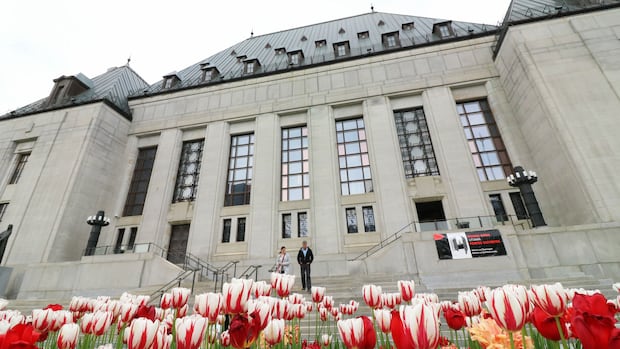
The Supreme Court of Canada has agreed to hear a pivotal case that could reshape how Indigenous mineral rights across the country are recognized and protected under provincial law. British Columbia is challenging a lower court ruling that found parts of its Mineral Tenure Act unconstitutional for failing to align with the Declaration on the Rights of Indigenous Peoples Act (DRIPA).
This case marks a significant moment for First Nations rights, resource development, and reconciliation efforts across the country. The outcome could have far-reaching implications for how provinces balance Indigenous consent requirements with existing mining and resource extraction frameworks.
Background: The Gitxaała Nation’s Legal Victory
The legal battle began when the Gitxaała Nation, located on British Columbia’s north coast, challenged the province’s mineral claims registration system. The nation argued that the Mineral Tenure Act violated their constitutionally protected rights by allowing mining companies to acquire mineral claims on their traditional territories without meaningful consultation.
In February 2024, the B.C. Supreme Court sided with the Gitxaała Nation. Justice Alan Ross ruled that certain provisions of the Mineral Tenure Act were inconsistent with DRIPA, which British Columbia enacted in 2019 to implement the United Nations Declaration on the Rights of Indigenous Peoples (UNDRIP).
The ruling represented a landmark decision in Canadian Indigenous law. It marked one of the first times a court found provincial legislation incompatible with DRIPA’s requirements for Indigenous consent and consultation.
What Is DRIPA and Why Does It Matter?
The Declaration on the Rights of Indigenous Peoples Act made British Columbia the first province to formally adopt UNDRIP principles into law. The legislation commits the province to align its laws with the declaration’s standards over time.
UNDRIP establishes that Indigenous peoples have the right to free, prior, and informed consent before governments approve projects affecting their lands, territories, or resources. This principle sits at the heart of the current dispute.
Critics of the Mineral Tenure Act argue that the free entry system—which allows prospectors to register mineral claims online without notifying affected First Nations—fundamentally contradicts these consent requirements.
The B.C. government maintains that DRIPA implementation should occur through legislative reform rather than court-imposed changes. This tension between judicial interpretation and legislative process forms the crux of the appeal.
British Columbia’s Appeal Strategy
The provincial government filed its appeal arguing that the lower court misinterpreted DRIPA’s legal effect. B.C. contends that the act creates a framework for gradual legislative alignment rather than an immediate requirement that courts can enforce.
Provincial lawyers argue that the original ruling could create significant uncertainty for the mining sector and other resource industries. They suggest that invalidating existing mineral tenure processes could affect thousands of active claims and disrupt economic activity across the province.
The government also raised concerns about the broader precedent this case might set. If courts can strike down laws for DRIPA inconsistency, it could open numerous provincial statutes to similar challenges.
Mining industry associations have echoed these concerns, warning that investment confidence could suffer if the regulatory framework becomes unpredictable.
Indigenous Leaders Respond to Supreme Court Decision
First Nations leaders across British Columbia welcomed the Supreme Court’s decision to hear the case, viewing it as an opportunity to clarify DRIPA’s legal force.
The Gitxaała Nation has consistently maintained that their traditional territories deserve protection from unconsented mineral exploration. Leadership has emphasized that the case isn’t about blocking all development but ensuring Indigenous peoples have meaningful participation in decisions affecting their lands.
The First Nations Leadership Council has described the case as crucial for reconciliation efforts. Representatives argue that DRIPA becomes meaningless if governments can ignore its requirements until they voluntarily choose to comply.
Other Indigenous groups watching the case closely include nations with active disputes over mining claims, forestry operations, and pipeline projects on their territories.
Potential National Implications
While this case originates in British Columbia, its implications extend across Canada. Several provinces have considered or implemented their own versions of UNDRIP legislation, and the Supreme Court’s interpretation could influence those frameworks.
The federal government passed its own UNDRIP implementation act in 2021, creating parallel questions about how federal laws must align with Indigenous rights declarations. Legal experts suggest the B.C. case could establish interpretive principles applicable to federal legislation as well.
Resource extraction industries nationwide are monitoring the proceedings carefully. Mining, forestry, and energy companies operating on or near Indigenous territories could face new consultation requirements depending on the ruling.
Constitutional scholars note that the case touches on fundamental questions about Indigenous sovereignty, provincial jurisdiction, and the evolving relationship between Canadian law and international human rights standards.
Timeline and What Comes Next
The Supreme Court has not yet scheduled oral arguments for the case. Typically, appeals take several months to a year before hearings occur, with decisions following months later.
Both parties will submit written arguments outlining their legal positions. Intervener applications from Indigenous organizations, industry groups, and civil liberties associations are expected, potentially broadening the perspectives the court considers.
Legal observers anticipate the court will address several key questions:
- Does DRIPA create judicially enforceable rights?
- Can courts invalidate provincial laws for DRIPA inconsistency?
- What standard of consultation does DRIPA require for resource decisions?
The answers will shape Indigenous-Crown relations and resource governance for decades.
A Defining Moment for Reconciliation
The Supreme Court’s decision to hear British Columbia’s appeal over Indigenous mineral rights represents a watershed moment in the nation’s reconciliation journey. This case will determine whether provincial commitments to Indigenous rights carry legal weight or remain aspirational goals.
Stakeholders across the spectrum—from First Nations communities to mining executives to constitutional lawyers—recognize the profound stakes involved. As Canada continues grappling with its colonial legacy, this ruling will signal how seriously courts take legislative promises to Indigenous peoples.
