


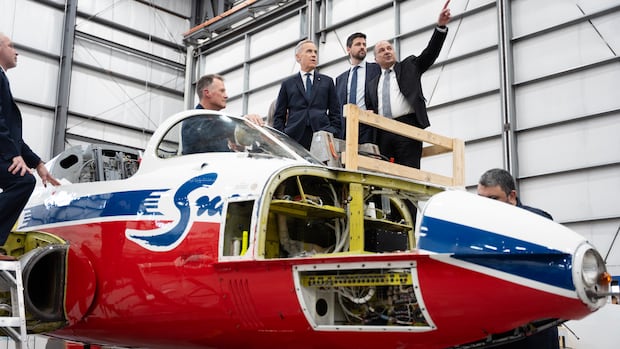
The Canadian government spent $29.3 million modernizing the iconic Snowbirds jets, only to announce the aircraft will now be retired early. This revelation has sparked questions about fiscal responsibility and military procurement decisions within the Royal Canadian Air Force (RCAF).
The Snowbirds jets retired early controversy centers on the aging CT-114 Tutor aircraft, which have served as Canada’s premier aerobatic demonstration team since 1971. Despite recent investments aimed at extending their operational lifespan, defense officials now confirm the fleet will be grounded ahead of schedule.
The $29.3 Million Modernization Investment
What the Upgrades Included
The Canadian Department of National Defence allocated significant funds to keep the Tutor jets airworthy. The modernization program addressed critical safety systems, avionics updates, and structural reinforcements designed to extend the aircraft’s service life.
These upgrades were deemed essential following safety concerns and a tragic 2020 crash that claimed the life of Captain Jennifer Casey during an Operation Inspiration flyover. The incident intensified scrutiny over the aging fleet’s viability.
Government records indicate the modernization spending covered cockpit improvements, engine maintenance, and compliance upgrades to meet contemporary aviation safety standards. Officials initially projected these investments would keep the Snowbirds operational for several more years.
Timeline of the Investment Decision
The upgrade program began receiving funding approval in stages over recent years. Defense procurement documents show the government committed to these expenditures based on assessments that the Tutor jets remained fundamentally sound aircraft requiring targeted improvements.
Critics now argue that clearer long-term planning could have prevented this apparent waste of taxpayer money. The decision to proceed with costly upgrades while simultaneously considering early retirement raises serious questions about coordination within defense planning circles.
Why the Snowbirds Fleet Faces Early Retirement
Age and Operational Limitations
The CT-114 Tutor aircraft first entered service in 1963, making the fleet over six decades old. While the Snowbirds demonstration team has maintained these jets meticulously, fundamental age-related limitations cannot be fully addressed through modernization alone.
Structural fatigue, parts obsolescence, and increasing maintenance costs have plagued the aging fleet. Finding replacement components for aircraft this old has become increasingly difficult and expensive, with some parts requiring custom manufacturing.
The RCAF has acknowledged that maintaining airworthiness certification for such elderly aircraft demands exponentially more resources as each year passes. This reality apparently shifted the calculus toward early retirement despite recent investments.
Safety Considerations
Safety remains the paramount concern driving retirement discussions. The Tutor jets, while beloved by Canadians, lack modern safety features standard in contemporary military training and demonstration aircraft.
Ejection seat limitations and outdated flight control systems present ongoing risks that upgrades cannot fully mitigate. Defense officials must balance the Snowbirds’ cultural significance against pilot safety and operational practicality.
Political and Public Response
Government Accountability Questions
Opposition politicians have seized on the apparent contradiction between the upgrade spending and early retirement announcement. Questions about military spending efficiency and procurement oversight have emerged in parliamentary discussions.
The timing of these revelations compounds existing frustrations over defense budget management. Taxpayers reasonably expect that significant investments will deliver corresponding value, making the current situation particularly difficult to justify.
Government representatives have defended the upgrade spending as necessary for maintaining safety during the transition period. They argue that grounding the aircraft immediately would have been neither practical nor safe for ongoing operations and commitments.
Public Sentiment and the Snowbirds Legacy
Canadians hold deep affection for the Snowbirds, viewing the aerobatic team as a source of national pride. The distinctive white and red jets have performed at countless airshows and community events across the country for over five decades.
This emotional connection complicates straightforward cost-benefit analysis. Many Canadians may accept some financial inefficiency to preserve the team’s operations, while others prioritize fiscal responsibility regardless of sentiment.
The announcement has sparked debate about whether Canada should invest in replacement aircraft or discontinue the demonstration team entirely. Both options carry significant cost and political implications.
What Comes Next for Canada’s Aerobatic Team
Replacement Aircraft Considerations
Defense planners face critical decisions about the Snowbirds’ future. Options include procuring new demonstration aircraft, adapting existing military training jets, or transitioning to an entirely different model.
Several countries operate successful aerobatic teams using modern jet trainers that could potentially suit Canada’s needs. However, any replacement program would require substantial investment and years of implementation.
The procurement process for military aircraft typically spans multiple government terms, introducing political uncertainty into planning. Budget constraints and competing defense priorities will inevitably influence these decisions.
Transition Timeline
Officials have not released specific dates for the fleet’s retirement, though indications suggest the grounding will occur sooner than previously anticipated. The remaining operational period will likely focus on fulfilling existing commitments while managing safety requirements.
Training for pilots and maintenance personnel will need adjustment as the transition approaches. The RCAF must balance current operations against preparation for whatever comes next.
Conclusion
The Snowbirds jets retired early situation exemplifies the challenges governments face in managing aging military assets. The $29.3 million spent on upgrades now appears poorly timed given the accelerated retirement timeline, though officials maintain the investments were necessary for safe interim operations.
Canadians deserve transparent accounting of how this situation developed and what lessons will inform future procurement decisions. Whether the Snowbirds continue with new aircraft or conclude their storied history, the current controversy highlights the importance of coordinated long-term defense planning.
