


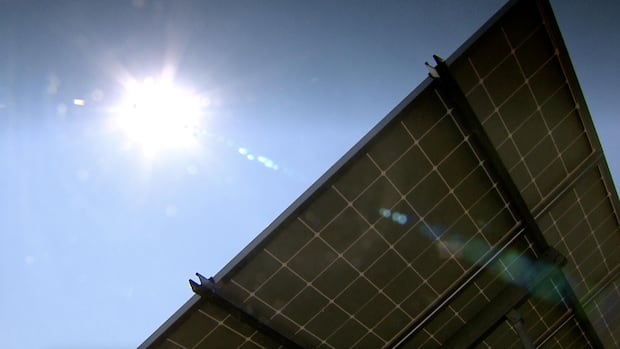
Homeowners considering solar energy in Alberta now face an unexpected addition to their installation costs. A new Alberta solar panel recycling fee has come into effect, adding hundreds of dollars to the price of residential solar systems across the province.
The fee, designed to address growing concerns about electronic waste from aging solar infrastructure, represents a significant shift in how Alberta manages the lifecycle of renewable energy equipment. While environmental advocates praise the initiative, solar industry professionals warn the added expense could slow adoption rates at a critical time for clean energy expansion.
What the New Recycling Fee Means for Alberta Homeowners
The Alberta Recycling Management Authority (ARMA) has implemented a mandatory environmental handling fee on all solar panels sold in the province. This charge applies to both residential and commercial installations, with costs varying based on system size and panel type.
For a typical residential installation of 20 to 25 panels, homeowners can expect to pay between $200 and $400 in additional recycling fees. Commercial projects face proportionally higher charges based on their larger scale.
The fee structure mirrors similar programs already in place for electronics and paint products in Alberta. Collected funds will support future recycling infrastructure development as the first generation of solar panels approaches end-of-life status.
Why Alberta Introduced the Solar Recycling Program
Solar panels contain materials that require specialized recycling processes. Components including silicon, silver, copper, and aluminum can be recovered and reused, but improper disposal poses environmental risks due to trace amounts of lead and other heavy metals.
Industry experts estimate that Alberta will see a significant wave of solar panel waste beginning in the early 2030s. Panels installed during the solar boom of the 2010s typically have lifespans of 25 to 30 years, creating a looming waste management challenge.
The provincial government argues that establishing recycling infrastructure now prevents future environmental problems. Similar programs exist in British Columbia and other Canadian provinces, though implementation details vary significantly.
Impact on the Solar Installation Industry
Solar installation companies across Alberta report mixed reactions to the new fee structure. While most support responsible end-of-life management in principle, many worry about timing and market impact.
Kuby Sidhu, a prominent figure in Alberta’s solar industry, has expressed concerns about how the fee affects consumer decisions. The added cost comes at a time when federal incentive programs have ended, creating a double impact on household budgets.
Installation companies must now clearly communicate the recycling fee to customers during the quote process. Some businesses have chosen to absorb partial costs to remain competitive, while others pass the full amount to consumers.
The Alberta solar market has grown substantially over the past decade, driven by falling panel prices and rising electricity costs. Industry stakeholders worry that additional fees could reverse these gains, particularly among cost-conscious homeowners.
How Alberta’s Fee Compares to Other Provinces
Alberta joins a growing list of Canadian provinces implementing solar panel recycling programs. Each jurisdiction has taken a slightly different approach to fee structures and collection methods.
British Columbia launched its solar recycling program earlier, providing a template for Alberta’s initiative. The BC program charges similar per-panel fees and has successfully collected funds without dramatically impacting installation rates.
Ontario continues to study recycling options but has not yet implemented mandatory fees. Quebec has integrated solar panel recycling into its broader electronics stewardship program.
International examples also inform Canadian policy. The European Union requires solar panel producers to finance collection and recycling under its Waste Electrical and Electronic Equipment (WEEE) directive.
What Happens to Recycled Solar Panels
Understanding the recycling process helps explain why dedicated infrastructure requires significant investment. Solar panel recycling involves multiple stages of material recovery and processing.
First, technicians remove aluminum frames and junction boxes for standard metal recycling. The glass front layer, which comprises about 75% of panel weight, undergoes separation and processing for reuse in various applications.
The silicon solar cells present the greatest recycling challenge. Specialized facilities use chemical or thermal processes to recover high-purity silicon for potential reuse in new panels or other electronics.
Currently, Alberta lacks dedicated solar panel recycling facilities. Collected panels will initially ship to existing processing centers, with plans to develop provincial infrastructure as volumes increase.
Planning Your Solar Installation Despite Higher Costs
Despite the new recycling fee, solar energy remains a financially sound investment for many Alberta homeowners. Long-term electricity savings typically outweigh upfront costs, including the new environmental charge.
Prospective solar customers should request itemized quotes that clearly separate equipment, installation, and recycling fee components. This transparency helps with accurate cost comparisons between installers.
Timing considerations matter as well. Panel prices continue their long-term downward trend, potentially offsetting recycling fees for those who wait. However, delaying installation means missing out on immediate electricity savings.
Homeowners should also explore financing options that spread costs over time. Many installers offer payment plans that make the total investment, including recycling fees, more manageable.
The Future of Solar Energy in Alberta
The recycling fee represents just one factor in Alberta’s evolving renewable energy landscape. Provincial policies, electricity prices, and technology improvements will continue shaping solar adoption rates.
Industry observers note that responsible lifecycle management ultimately strengthens the environmental case for solar energy. Addressing end-of-life concerns proactively demonstrates the technology’s sustainability credentials.
Alberta’s solar sector will likely adapt to the new fee structure over time. As recycling infrastructure develops within the province, costs may decrease while creating local green jobs and economic opportunities.
The new Alberta solar panel recycling fee adds real costs to solar installations but serves an important environmental purpose. Homeowners must now factor this expense into their solar investment calculations while recognizing its role in responsible waste management. Those considering solar should obtain detailed quotes, compare multiple installers, and weigh the long-term savings against upfront costs.
