


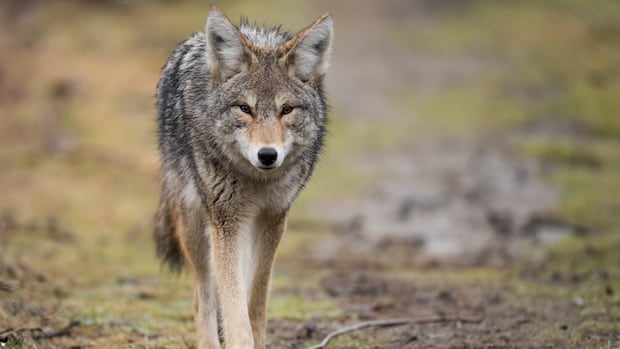
A groundbreaking study from the University of Alberta reveals that coyote homeless encampment conflict poses growing risks for both humans and wildlife in urban areas. As homeless populations increasingly settle in green spaces that serve as critical wildlife corridors, researchers warn that dangerous encounters, disease transmission, and ecological disruption may escalate.
The research, conducted in Edmonton, Canada, examines the intersection of two pressing urban challenges: homelessness and human-wildlife coexistence. Scientists urge city planners and public health officials to address these overlapping concerns before conflicts intensify.
Study Findings Highlight Collision of Urban Crises
Encampments and Coyote Habitat Overlap
Researchers discovered that homeless encampments in Edmonton frequently occupy the same river valley and ravine systems where urban coyotes establish their territories. These natural corridors provide essential pathways for wildlife movement, denning sites, and hunting grounds.
When encampments appear in these areas, coyotes face displacement from their established territories. However, many animals adapt by remaining nearby, increasing the likelihood of direct human-wildlife encounters.
The study documented multiple instances where coyotes approached encampments seeking food scraps and garbage. This food conditioning creates dangerous behavioral changes in wildlife populations.
Disease Transmission Concerns
Public health experts involved in the research expressed particular concern about zoonotic disease transmission between coyotes and encampment residents. Coyotes can carry several pathogens that pose risks to humans, including:
- Echinococcus multilocularis (tapeworm causing serious liver disease)
- Rabies (though rare in Canadian coyote populations)
- Mange mites (which can temporarily infect humans)
- Giardia and other parasites
Individuals experiencing homelessness often lack access to regular healthcare and sanitation facilities. This vulnerability amplifies their risk when living in close proximity to wildlife.
The study noted that fecal contamination around encampments creates pathways for parasite transmission in both directions.
Behavioral Changes in Urban Coyotes
Habituation Creates Dangerous Dynamics
When coyotes regularly encounter humans who do not actively discourage their presence, the animals lose their natural wariness. This process, called habituation, transforms typically shy creatures into bold scavengers.
Research team members observed coyotes approaching within meters of occupied tents during daylight hours. Such behavior represents a significant departure from normal coyote activity patterns.
Habituated coyotes present elevated risks for several reasons. They may approach children or pets aggressively. They lose fear responses that normally protect both humans and animals. They also teach these behaviors to their offspring, perpetuating the problem across generations.
Food Attractants Compound the Problem
Encampments generate consistent food waste that attracts coyotes and other urban wildlife. Unlike residential areas where garbage collection occurs regularly, encampment sites often accumulate refuse over extended periods.
The study documented coyotes actively foraging through encampment debris. Researchers also observed rodent population increases near encampments, which further attracted predators.
This artificial food concentration disrupts natural foraging patterns and can increase coyote population density beyond sustainable levels.
Implications for Urban Planning and Policy
Balancing Human Needs with Wildlife Management
The researchers emphasize that their findings should not justify displacing homeless individuals without providing adequate alternatives. Instead, they advocate for integrated approaches that address both housing insecurity and wildlife conservation simultaneously.
Recommended strategies include:
- Establishing designated camping areas away from critical wildlife corridors
- Providing regular waste collection services to existing encampments
- Creating wildlife exclusion zones with appropriate fencing and deterrents
- Increasing outreach services to connect individuals with housing resources
City officials must recognize that homeless encampments represent symptoms of larger systemic failures. Simply relocating camps without addressing root causes merely shifts the problem to new locations.
Edmonton’s Response to the Research
Edmonton city officials have acknowledged the study’s findings and expressed commitment to incorporating its recommendations into future planning. The city already operates several wildlife coexistence programs that may expand based on this research.
Municipal workers have increased patrols in areas where encampments and coyote activity overlap. Wildlife officers now coordinate with outreach teams to identify emerging conflict zones before incidents occur.
The city has also allocated additional resources for hazing programs that discourage coyotes from approaching human-occupied areas.
Expert Recommendations for Reducing Conflict
Practical Steps for All Urban Residents
The research team offered guidance extending beyond encampment-specific concerns. All urban residents living near green spaces can help reduce human-coyote conflict through simple actions.
Never feed coyotes intentionally or unintentionally. Secure garbage in wildlife-resistant containers. Remove fallen fruit from yards promptly. Supervise pets during outdoor time, especially at dawn and dusk when coyotes are most active.
If you encounter a coyote, practice hazing techniques. Make yourself appear large, maintain eye contact, and make loud noises. Never run from a coyote, as this may trigger pursuit behavior.
Supporting Vulnerable Populations
Community organizations working with homeless populations can incorporate wildlife safety education into their outreach efforts. Simple awareness about coyote behavior and disease risks may help protect individuals who have limited options for shelter location.
Providing portable waste containers and regular collection services to known encampment areas represents a practical intervention that benefits both human and animal populations.
Conclusion
The intersection of urban homelessness and wildlife habitat creates complex challenges that demand thoughtful, compassionate responses. This Edmonton study demonstrates that coyote homeless encampment conflict affects public health, animal welfare, and urban ecology simultaneously.
