


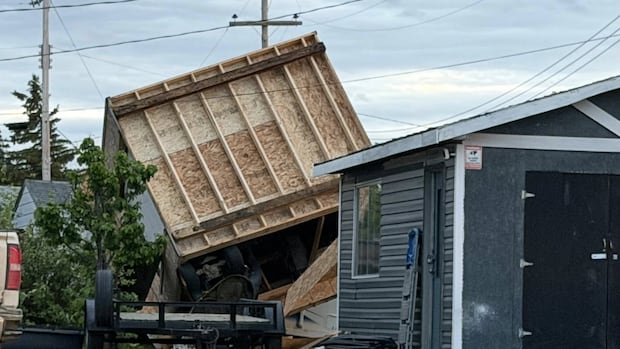
Residents of a small northwestern Alberta village are picking up the pieces after a tornado touched down on Monday evening, leaving a trail of destruction in its wake. The Alberta tornado damage has left the community of Eaglesham scrambling to assess losses and begin the long recovery process.
The twister struck without warning, damaging multiple properties and leaving locals shaken but grateful that no serious injuries were reported. Emergency crews and volunteers have mobilized to help affected families as the village faces an uncertain road ahead.
Tornado Strikes Eaglesham: What Happened
The tornado touched down near Eaglesham, Alberta, approximately 450 kilometers northwest of Edmonton, during the early evening hours on Monday. Witnesses described a sudden shift in weather conditions before the funnel cloud formed and made contact with the ground.
Environment and Climate Change Canada confirmed the tornado event and dispatched meteorologists to the area to assess the storm’s intensity. Officials are working to determine the tornado’s rating on the Enhanced Fujita Scale, which measures tornado strength based on damage indicators.
The twister carved a path through the rural community, striking homes, outbuildings, and agricultural properties. Power lines were downed in several locations, leaving some residents without electricity overnight.
Assessing the Damage in Northwestern Alberta
Local emergency management officials have been conducting damage assessments throughout the affected area. Early reports indicate that several structures sustained significant damage, including residential homes and farm buildings.
Agricultural equipment and stored crops also suffered losses, adding financial strain to local farmers already dealing with challenging market conditions. The full extent of the economic impact remains unclear as assessments continue.
“We’re still in the early stages of understanding what we’re dealing with,” local officials told reporters. The Municipal District of Spirit River has activated its emergency response protocols to coordinate cleanup efforts and support affected residents.
Fortunately, early indications suggest that most structures can be repaired rather than requiring complete rebuilding. However, some families may face displacement while their homes undergo restoration work.
Community Response and Cleanup Efforts
The people of Eaglesham have demonstrated remarkable resilience in the tornado’s aftermath. Neighbors helping neighbors has become the defining theme of the recovery effort, with volunteers arriving within hours of the storm to assist with debris removal.
Local businesses have donated supplies, while community organizations have established collection points for essential items. The response reflects the tight-knit nature of small Alberta communities, where residents routinely come together during difficult times.
Municipal crews have prioritized restoring power and clearing roadways blocked by fallen trees and debris. Alberta Emergency Management Agency officials are monitoring the situation and have offered provincial support if needed.
Cleanup operations are expected to continue for several days as crews work to remove debris and restore normalcy to the village. Heavy equipment has been brought in to handle larger pieces of wreckage that cannot be cleared manually.
Understanding Tornado Risk in Alberta
While tornadoes are commonly associated with the American Midwest, Alberta experiences significant tornado activity during summer months. The province typically sees between 15 and 25 confirmed tornadoes annually, making tornado preparedness essential for rural communities.
The flat terrain and weather patterns in northwestern Alberta create conditions conducive to severe thunderstorm development. When warm, moist air collides with cooler air masses, the resulting instability can produce rotating supercell thunderstorms capable of spawning tornadoes.
Climate experts note that tornado season in Alberta generally runs from June through August, with peak activity occurring in July. Residents throughout the province should remain vigilant during this period and have emergency plans in place.
Environment and Climate Change Canada issues tornado watches and warnings through its alert system, giving residents time to seek shelter. Experts recommend identifying safe rooms in homes and practicing tornado drills with family members.
Insurance and Recovery Resources
Affected residents should document all storm damage thoroughly before beginning cleanup or repairs. Photographs and videos of damaged property will prove essential when filing insurance claims.
Homeowners are encouraged to contact their insurance providers as soon as possible to initiate the claims process. Many policies cover tornado damage, but coverage details vary depending on individual plans.
The Government of Alberta offers disaster recovery programs for communities affected by natural disasters. Residents who lack adequate insurance coverage may qualify for provincial assistance, depending on the scope of declared damage.
Local social services agencies have also mobilized to provide support for families experiencing immediate needs, including temporary housing assistance and emergency supplies.
What Comes Next for Eaglesham
The road to recovery for this small Alberta village will require patience, resources, and continued community support. While the physical damage is substantial, residents express optimism about rebuilding and moving forward.
Municipal leaders are coordinating with provincial officials to ensure affected families receive necessary support. Long-term recovery planning will begin once immediate cleanup efforts conclude and comprehensive damage assessments are complete.
For now, the focus remains on safety and stabilization. Residents are urged to avoid damaged structures and report any hazardous conditions to local authorities. The community’s strength and solidarity will prove essential as Eaglesham works to recover from this unexpected natural disaster.
