


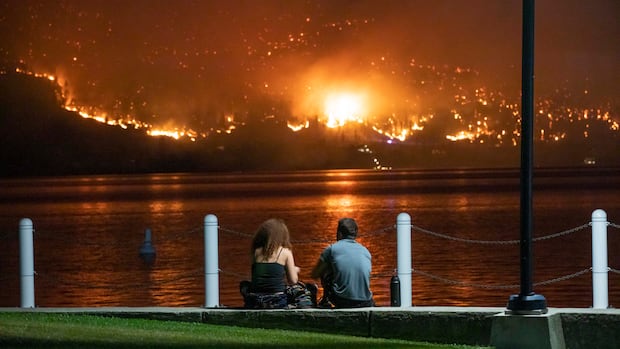
A landmark Senate committee report is calling for the creation of a federal emergency management agency in Canada, igniting fresh debate about how the country handles increasingly devastating natural disasters. The report, titled “Canada on Fire,” arrives as wildfire researchers and emergency management experts amplify their warnings about Canada’s vulnerability to climate-driven catastrophes.
With wildfires, floods, and extreme weather events intensifying across the nation, the push for a centralized emergency response body has gained significant momentum. Advocates argue that Canada’s current fragmented approach leaves communities exposed and recovery efforts underfunded.
Senate Committee Sounds the Alarm
Key Findings from “Canada on Fire”
The Senate committee’s comprehensive report delivers a sobering assessment of Canada’s emergency preparedness landscape. After months of testimony from experts, first responders, and affected communities, senators concluded that the current system fails to meet the scale of modern disasters.
The report highlights critical gaps in federal disaster response coordination, noting that provincial and territorial jurisdictions often struggle to manage large-scale emergencies independently. When disasters cross borders or overwhelm local resources, the absence of a unified federal authority creates dangerous delays.
Committee members emphasized that Canada remains one of the few G7 nations without a dedicated national emergency management agency. This structural deficiency, they argue, hampers both immediate response capabilities and long-term resilience planning.
Recommendations for Structural Reform
The Senate report outlines several transformative recommendations. Chief among them is the establishment of a standalone federal agency modeled partly on the United States’ Federal Emergency Management Agency (FEMA).
This proposed Canadian agency would centralize disaster planning, coordinate cross-jurisdictional responses, and manage federal funding streams for emergency preparedness. The report suggests the agency should operate with significant autonomy and report directly to a cabinet minister.
Additional recommendations include:
- Increased federal investment in wildfire prevention and mitigation
- Standardized training protocols for emergency responders nationwide
- Enhanced early warning systems leveraging modern technology
- Dedicated funding mechanisms for community resilience projects
Wildfire Researchers Back the Push
Expert Testimony Reinforces Urgency
Leading wildfire researchers have thrown their support behind the Senate’s recommendations, providing scientific context for the policy proposals. These experts paint a troubling picture of Canada’s wildfire future under current climate projections.
Researchers testified that Canada’s boreal forests face unprecedented fire risks as temperatures rise and drought conditions intensify. The 2023 wildfire season, which burned record-breaking hectares and blanketed North American cities in smoke, served as a devastating preview of what lies ahead.
Scientists emphasized that effective emergency management requires year-round investment in prevention, not just reactive spending during crisis periods. A federal agency, they argue, could maintain consistent focus on preparedness rather than the current cycle of crisis response followed by neglect.
Climate Change Amplifies Disaster Risks
The intersection of climate change and emergency management dominated expert discussions. Researchers stressed that warming temperatures extend fire seasons, increase storm intensity, and accelerate permafrost degradation—each trend multiplying disaster risks.
Current projections suggest Canada will experience more frequent and severe natural disasters in coming decades. Without structural reforms to disaster response systems, communities will face mounting costs in lives, property, and economic disruption.
Current System Under Scrutiny
Fragmented Approach Creates Gaps
Canada’s existing emergency management framework distributes responsibility across multiple federal departments, provincial agencies, and municipal governments. Critics argue this fragmentation breeds inefficiency and accountability gaps.
Public Safety Canada currently holds primary federal responsibility for emergency management, but the department balances this mandate alongside numerous other priorities. Advocates for reform contend that emergencies deserve dedicated institutional focus.
The report documents instances where jurisdictional confusion delayed response efforts or left communities without adequate support. First responders testified about resource shortages during peak disaster periods when multiple provinces competed for limited federal assets.
Funding Challenges Persist
Financial mechanisms for disaster recovery also drew sharp criticism. The Disaster Financial Assistance Arrangements program, which helps provinces cover extraordinary costs, faces persistent backlogs and eligibility disputes.
Communities have waited years for promised federal support while struggling to rebuild infrastructure and housing. The Senate committee recommended streamlining these processes and establishing clearer cost-sharing formulas.
Emergency management professionals called for predictable, adequate funding that enables proactive investment rather than perpetual catch-up after disasters strike.
International Models Offer Guidance
Learning from Global Best Practices
The Senate report examines emergency management structures in comparable nations, drawing lessons for Canadian reform. The American FEMA model receives particular attention, though senators acknowledge its imperfect record.
Australia’s approach to bushfire management and coordination between federal and state authorities also informed recommendations. European models emphasizing civil protection frameworks provided additional perspective.
Experts cautioned against simply copying foreign systems, urging instead a made-in-Canada solution respecting constitutional divisions of power while achieving necessary coordination.
Balancing Federal and Provincial Roles
Constitutional considerations complicate any federal emergency management expansion. Emergency response traditionally falls under provincial jurisdiction, requiring careful navigation of federal-provincial relations.
The proposed agency would need clear protocols for when and how it engages, respecting provincial authority while providing meaningful support during major disasters. Successful implementation depends on securing buy-in from premiers and territorial leaders.
Path Forward Remains Uncertain
Political and Budgetary Hurdles
Despite compelling arguments for reform, creating a new federal agency faces significant obstacles. Budget constraints, competing priorities, and political resistance could delay or dilute implementation.
The federal government has not yet formally responded to the Senate report’s recommendations. Previous calls for enhanced emergency preparedness structures have generated studies and pilot projects but limited structural change.
Advocates urge sustained public pressure to keep emergency management reform on the political agenda. They note that disaster costs will only increase without proactive investment in resilience.
Building Public Support
Public awareness of disaster risks has grown following recent catastrophic fire seasons and flooding events. This heightened concern creates opportunity for policy reform that might have seemed politically difficult in earlier years.
