


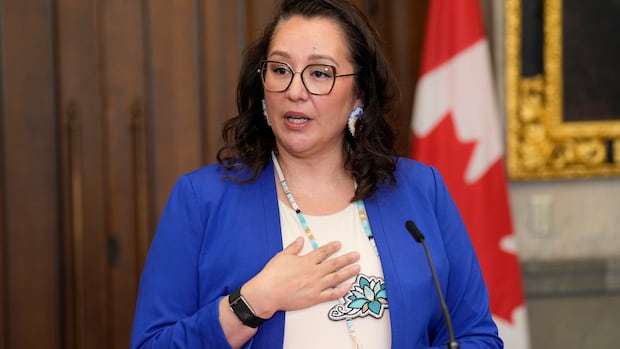
The Canadian Liberal government has officially tabled new First Nations clean water bill legislation, marking a significant step toward addressing decades of inadequate drinking water access in Indigenous communities across the country. The proposed law aims to establish enforceable standards and guarantee safe, reliable water for First Nations peoples.
This legislative move comes after years of advocacy from Indigenous leaders and mounting pressure on federal officials to fulfill long-standing promises. The bill represents a renewed commitment to reconciliation and infrastructure investment in communities that have endured boil-water advisories for generations.
What the New Legislation Proposes
Enforceable Drinking Water Standards
The proposed legislation seeks to create legally binding standards for drinking water quality on First Nations reserves. Unlike previous frameworks that relied on voluntary guidelines, this bill would establish enforceable regulations with clear accountability measures.
Under the new provisions, the federal government would bear responsibility for ensuring water systems meet or exceed provincial and territorial standards. This approach addresses a long-standing gap where reserve communities fell outside provincial jurisdiction without equivalent federal protections.
The bill also includes mechanisms for First Nations communities to seek legal remedies if water quality standards are not maintained. This represents a fundamental shift from advisory-based approaches to rights-based protections.
Funding and Infrastructure Commitments
Beyond regulatory standards, the legislation outlines substantial infrastructure investments for water treatment facilities across First Nations territories. The government has signaled intentions to modernize aging systems and build new facilities in underserved communities.
These investments would target both immediate repairs and long-term sustainability. Training programs for local water system operators also feature prominently, ensuring communities can maintain facilities independently.
Background: The Water Crisis on Reserves
Decades of Boil-Water Advisories
First Nations communities have faced drinking water advisories at disproportionate rates compared to the general Canadian population. Some reserves have lived under boil-water advisories for more than two decades, forcing residents to rely on bottled water for basic needs.
The crisis stems from multiple factors, including inadequate initial infrastructure, insufficient maintenance funding, and jurisdictional gaps that left reserves without clear regulatory oversight. Remote locations and harsh climates have compounded these challenges.
Previous governments made commitments to eliminate long-term advisories, with mixed results. While progress occurred in some regions, new advisories continued emerging, highlighting systemic issues that required comprehensive legislative solutions.
Previous Legislative Attempts
This is not the first attempt to address Indigenous water rights through federal legislation. Earlier bills faced criticism from First Nations leaders for lacking meaningful consultation and failing to incorporate Indigenous governance principles.
The Safe Drinking Water for First Nations Act, passed in 2013, drew particular opposition for its top-down approach. Critics argued it imposed regulations without adequate funding or respect for treaty rights.
The current government withdrew that legislation and committed to developing new laws through genuine partnership with First Nations communities.
Indigenous Leaders Respond
Calls for Stronger Provisions
Indigenous advocacy groups have offered measured responses to the tabled legislation. While acknowledging progress, many leaders emphasize the need for stronger enforcement mechanisms and guaranteed long-term funding.
Assembly of First Nations representatives have stressed that legislation alone cannot solve the water crisis without corresponding financial commitments. They continue pushing for multi-generational funding agreements that survive changes in government.
Some community leaders have also highlighted the importance of incorporating traditional water governance practices into the new framework. They argue that Indigenous knowledge systems offer valuable approaches to water stewardship that Western regulatory models often overlook.
Regional Concerns and Perspectives
Communities in remote northern regions face unique challenges that require tailored solutions. Leaders from these areas have emphasized that standard infrastructure approaches may not suit their geographic and climatic conditions.
Meanwhile, First Nations near industrial developments have raised concerns about source water protection. They argue that drinking water legislation must address contamination risks from resource extraction activities affecting watersheds.
Political Context and Next Steps
Parliamentary Process Ahead
The bill must navigate the full parliamentary process before becoming law. This includes committee review, potential amendments, and votes in both the House of Commons and Senate.
Opposition parties have signaled varying positions on the legislation. Some have expressed support for the bill’s objectives while questioning implementation timelines and funding adequacy.
Indigenous affairs observers expect significant debate during committee stages, where First Nations representatives will have opportunities to provide testimony and propose changes.
Election Timing Considerations
The legislation arrives amid political uncertainty, with federal election speculation affecting the parliamentary calendar. Advocates worry that a dissolved Parliament could delay or derail the bill’s passage.
First Nations leaders have urged all parties to commit to passing the legislation regardless of electoral outcomes. They argue that clean drinking water transcends partisan politics and demands unified action.
A Critical Moment for Water Justice
The tabled First Nations clean water bill represents both progress and ongoing challenges in addressing one of Canada’s most persistent human rights issues. While the legislation offers promising frameworks for enforceable standards and sustained investment, its ultimate impact depends on implementation, funding, and genuine partnership with Indigenous communities.
Canadians concerned about reconciliation and Indigenous rights should follow this legislation’s progress through Parliament and support advocacy efforts pushing for the strongest possible protections. The outcome will shape water access for First Nations communities for decades to come.
